Senior Dog Comfort & Care
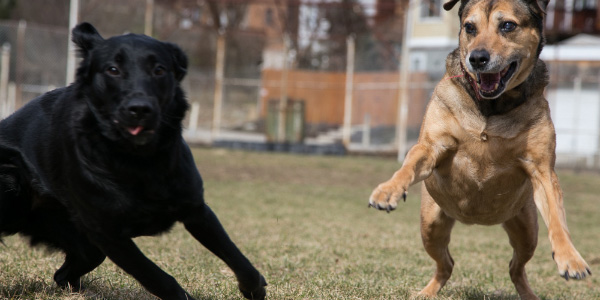
I’m ready to rock the night away!
Changes in hormone levels, pain, and the general stresses of life all impact how well we humans do (or don’t) sleep. The same is true for senior dogs. Even though they sleep a lot, they can get their days and nights mixed up. They may sleep all day and then be awake and active at night. Their nighttime activity may include whining, crying, barking, and pacing, or they may seem anxious and confused.
Be sure to mention your dog’s sleep cycle issues to your veterinarian, if they have any, because it may indicate other medical conditions, such as cognitive dysfunction (a.k.a. doggie dementia, Tip #64). Your vet will help guide you on how to get your dog back on schedule and may recommend using the hormonal supplement melatonin (make sure it doesn’t have xylitol as an ingredient, as it’s highly toxic to dogs). Don’t give this supplement unless directed to by your vet, and only use the recommended dose.
Found this useful?
Found this
useful?