Senior Dog Comfort & Care
Diabetes
Most dogs have Type I diabetes (insulin-dependent), and it cannot be prevented. It happens when glucose, the main energy source for the body’s cells, can’t be used normally by the body. Glucose is primarily controlled by insulin. Glucose will accumulate to high levels in the blood if there isn’t enough insulin or the body is unable to utilize the insulin.
When senior dogs develop other diseases, this can increase their risk of diabetes or affect how they respond to treatment. Early diagnosis and veterinary treatment for diabetes are critical. The first important step is recognizing symptoms. Increased blood levels of glucose cause excessive drinking, increased urination, weight loss, decreased appetite, and chronic and recurring infections, especially of the skin and urinary tract.
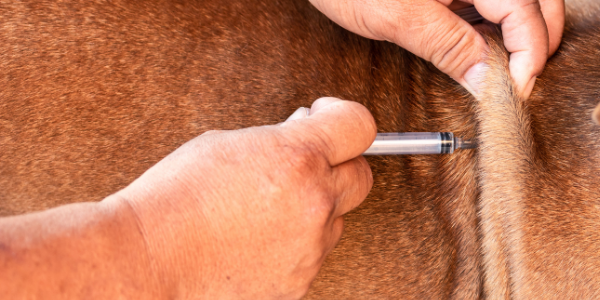
Treatment includes insulin injections, weight management, diet modifications, and regular monitoring of blood glucose values. Dogs can live happy and long lives with diabetes, but proper management of this condition is vital.
Found this useful?
Found this
useful?