Senior Dog Comfort & Care
Chew on this … instead
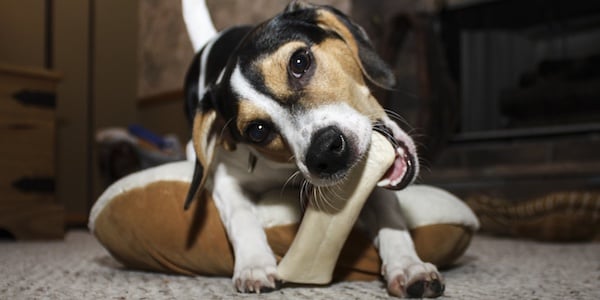
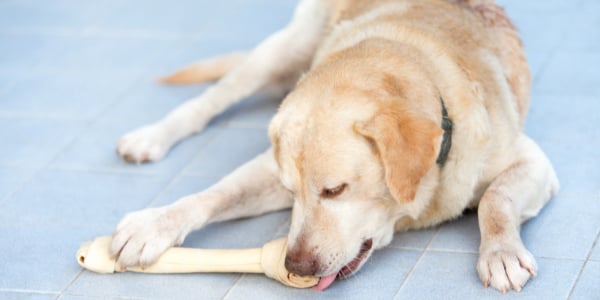
Dogs need to chew. It’s beneficial to their physical and mental health, and it’s an important part of their dental care routine. But just like we need to be careful with the types of chews we give young pups, we need to give appropriate chews to senior dogs. Many of them have arthritis in their temporomandibular joint (the “hinge” in their jaw), as well as worn, broken, or loose teeth, sensitive gums, and weaker muscles. So, chews need to be slightly smaller than for adult dogs and not too hard.
Perform the hardness test.
1) If you can’t bend or break a chew with your bare hands, it’s likely best to avoid it.
2) If you can’t press your thumbnail into a chew, it’s likely too hard.
There are several brands of chews and toys designed especially for senior dogs and their unique needs.
Found this useful?
Found this
useful?