Senior Dog Comfort & Care
Adjusting to cold and hot temperatures
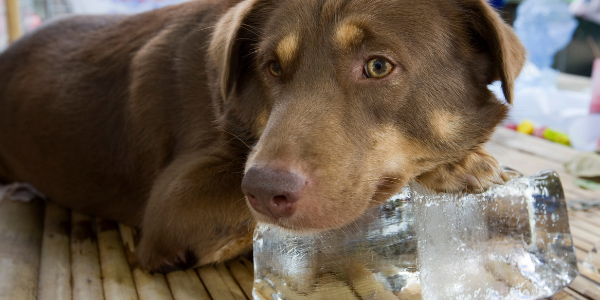
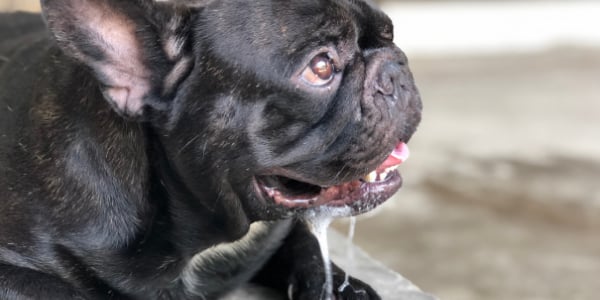
As our dogs age, they are less tolerant of cold, heat, and humidity. Close supervision of your senior during cold or hot temperatures is essential as either can take a toll on them. Know the signs of when your dog is cold (shivering, whining, tucked tail, seeking shelter) or overheated (excessive panting, rapid pulse, slow movement, dark red gums).
Keep your senior indoors as much as possible when it’s cold or hot outside. Limit their time outside to 10 to 15 minutes per trip.
During cold weather, doggie boots should be considered to help prevent frostbite on their paws and add some added traction on slippery surfaces. Properly fitted sweaters or coats can be helpful, especially for short-coated and thinner seniors.
During hot weather, be sure to keep your senior pup well-hydrated. Take walks outside early in the morning and late in the evening. Additionally, stick to shaded paths when out and about. Keep the inside of your home well-ventilated with fans, and consider using air conditioning. To help keep them even cooler, consider using cooling bandanas or cooling beds.
Found this useful?
Found this
useful?