Senior Dog Comfort & Care
The #1 disease in dogs
Dental disease is estimated to affect more than 80% of dogs older than 3 years, and periodontal disease is the most common disease in dogs. It affects their gums and the bones surrounding their teeth and causes pain and inflammation. Dental disease can also negatively impact your dog’s heart, kidneys, liver, and eyes as bacteria travel through the bloodstream. And while the damage periodontal disease causes cannot be reversed, its progression can be stopped.
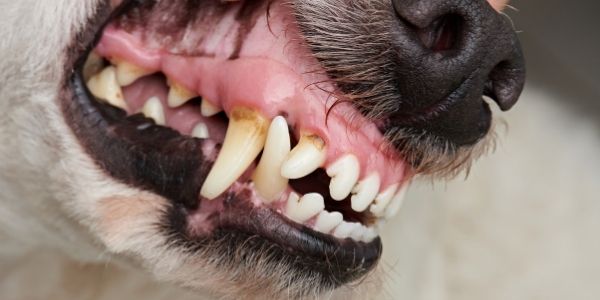
Thankfully, it can be prevented by having a doggie dental routine, which helps with stinky breath, too. Follow the tips in the next chapter and keep tabs on your dog’s teeth and gums to spot problems early. Watch for things like broken, loose, or discolored teeth, gums changing color, bleeding, or appearing irregular. Other dental issues include tooth root abscesses, tumors, and oronasal fistulas (holes between the mouth and nasal passage) that only a veterinarian will be able to spot. The sooner dental issues are addressed, the sooner your dog returns to feeling well and pain-free.
Found this useful?
Found this
useful?