Senior Cat Comfort & Care
Huh? Did you say something?
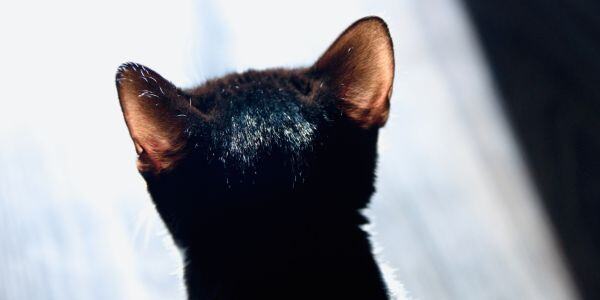
Cats have better hearing than we (and even dogs) do, especially when it comes to high frequencies. They can rotate their ears 180 degrees and move each ear independently. This helps them pinpoint and identify the slightest of squeaks, cheeps, or rustling sounds.
As cats age, starting around 7 to 11 years old, nerve degeneration in their ears causes gradual hearing loss. Unfortunately, it can’t be stopped or prevented. But you can offer support in other ways.
Your cat’s delicate middle and inner ear can also be damaged by loud noises, especially with repeated exposure. Chronic or untreated ear infections and ear mites can also cause damage. Thankfully, these can be prevented.
Hearing loss can be easy to miss because it’s so gradual. Some signs include startling more easily, not noticing when you enter the room, not waking until touched, meowing louder, sleeping more, and increased sensitivity to smell and temperatures. You can help your hard-of-hearing cat by walking heavily so they can “feel” you approach, turning lights on and off when entering or leaving a room, and staying in their line of sight as you leave so they know you’re gone.
Found this useful?
Found this
useful?