Senior Cat Comfort & Care
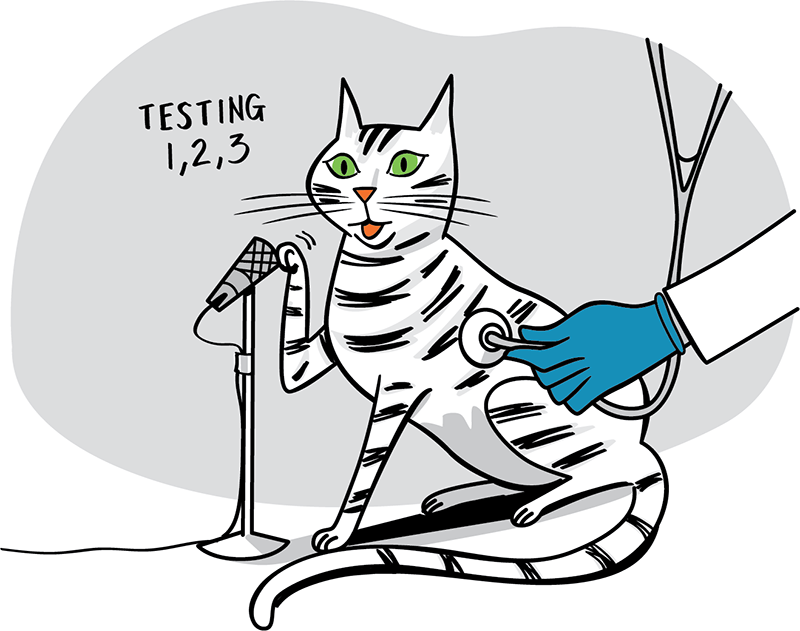
Check, check, testing, 1, 2, 3 …
Another way to catch things early for your aging senior is by establishing baseline diagnostics. For example, the routine blood work you started when your cat was young and continue to do every 6 months at their senior visits provides a pattern (baseline) while your cat is healthy. Any variation in the pattern from one visit to the next helps detect issues at their earliest stage. Kidney disease, for example, can be detected and managed early, significantly helping to slow down the progression of the disease.
Even when your cat is the picture of health at their vet visits, the samples they provide (blood, urine, etc.) are helping their future self. Your veterinarian will determine which diagnostic tests to start and when. They’ll use things like your cat’s current health status, risk factors, and any conditions common to their breed to come up with a schedule.
Found this useful?
Found this
useful?


