Senior Cat Comfort & Care
Encouraging the unplayful cat
Just like we know it’s good to get up and move our bodies, but we often choose not to, our cats can also get into the habit of immobility. This is especially true if they’re starting to feel the aches and pains of aging or health issues. It’s even more true if we’re trying to engage them in the same ways we did when they were young and mobile.
Whether your senior cat has gotten into a lazy rut or was never all that active, it’s time to encourage movement.
Know your cat’s limitations. Mobility, problems stabilizing on slick or soft surfaces, getting tired quickly, etc.
Be creative. Have a variety of toys — different types and materials. Get props, like tunnels and boxes. Think about what your cat used to respond to. Can you modify it to fit their current needs? If they don’t respond to something, switch it up.
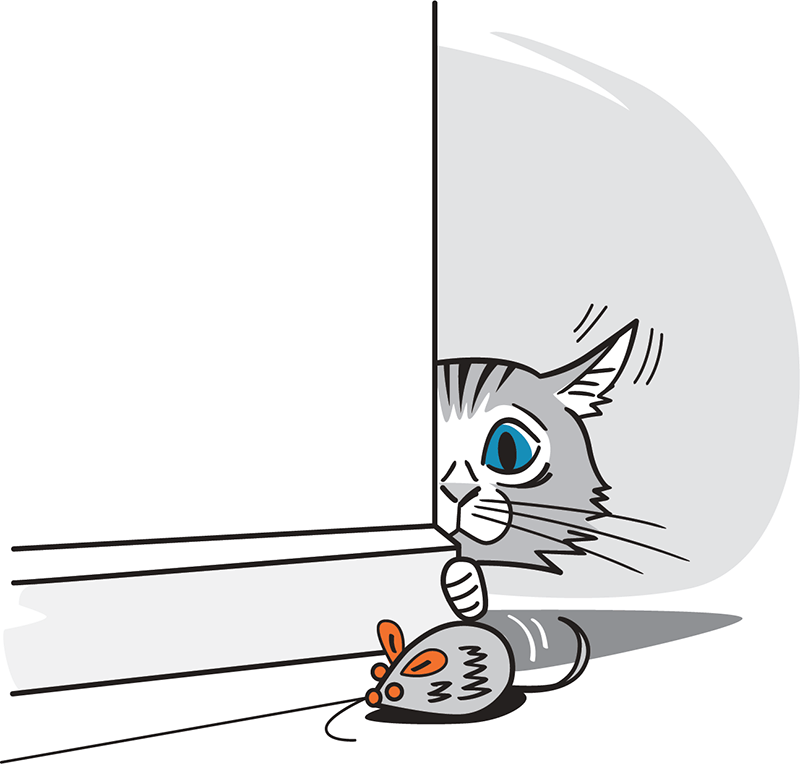
Look for the spark. Your cat’s body language says it all. Even little signs of interest count. Watch for the eyes to get big or lock on, the ears to spin forward, getting down low in the hunting stance with the wiggle-butt, any little sign you’ve sparked that prey drive.
Watching counts. If your cat is watching you move a toy around, they’re engaged. Don’t give up.
Found this useful?
Found this
useful?