Senior Cat Comfort & Care
How to assess pain and discomfort
It's hard to diagnose pain and discomfort in cats, but there are clues you can look for!
Acute pain is short-lived, whereas chronic pain is long-term or even life-long. Recognizing both types early can help you provide prompt treatment and comfort.
Help your veterinarian assess and measure pain using a pain scale. Score your cat regularly so you can recognize changes in pain levels quickly.
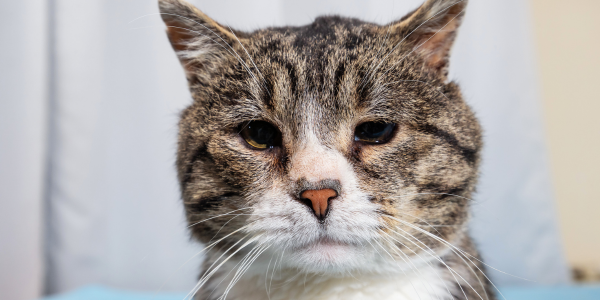
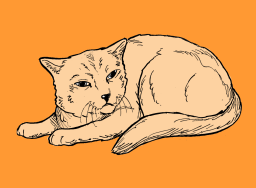
Physical indicators can include face shape (a.k.a. the feline grimace scale), laying curled up or flat, poor coat condition, loss of fur, skin irritation, rigidity, sensitivity to touch, and other things you may notice that just don't seem like your cat's usual comfort level.
Changes in behavior indicating pain include avoiding being touched, restlessness, aggression, excessive licking or chewing, increased vocalization, and other unexplained shifts in their normal.
Changes in mobility due to pain can include things like limping, stiffness, reluctance to jump, and difficulty lying down or rising.
It's also helpful to show your veterinarian a video of any concerning behavior or movements.
Found this useful?
Found this
useful?