Senior Cat Comfort & Care
Senior Cat Comfort & Care
Chapter :
6
It goes in, but is it comin’ out?
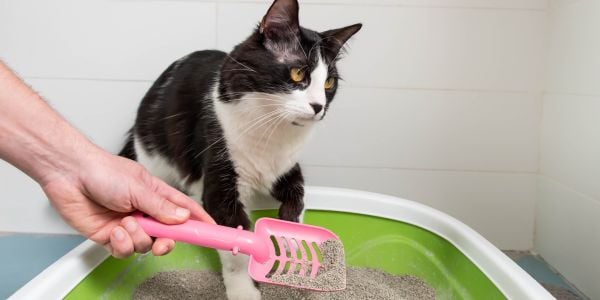
Litter box habits are another clue to physical and mental health. In fact, this is often one of the earliest and most obvious ways cats tell us something is wrong.
Self-cleaning or enclosed litter box users, it’s time to make a change! You need to see what your senior is doing in the box for the best chance at catching important changes early.
Here are some things to watch for:
- Frequency and amount. Big changes can mean kidney issues, crystals, gastrointestinal (GI) distress, and more.
- Color and consistency. Comfortable poops, not too hard or soft, and no blood or dark urine.
- Smell. It all stinks. But if the smell changes, that could be a concern.
- Urgency. If your cat rushes or isn’t making it to the box, it may be kidney, diabetes, GI, or even neurological issues.
- Body language. New things like standing to pee, straining, difficulty maneuvering in the box, etc., can be signs of discomfort.
- Nothing coming out. If your cat is trying to pee or poop but nothing is happening, call your vet right away. This can be serious!
- House soiling. This is a big clue that something is wrong medically, emotionally, or with the litter box setup.
See Chapter 10 for more on senior litter box issues.
Found this useful?
Found this
useful?


Search