Senior Cat Comfort & Care
Doin’ it yourself
You can help reduce stress and increase feelings of security for your senior by providing supportive care at home rather than making trips to the vet.
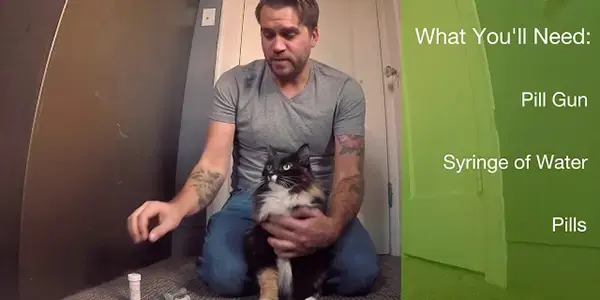
Seniors are at risk of developing chronic conditions, such as kidney disease, diabetes, or cancer, that often require supportive care. This can include subcutaneous fluids, nutritional support, injections, or medications.
While the thought of performing these tasks at home may seem scary, you can turn it into a simple part of your and your cat's routine.
Your veterinarian can show you exactly how to do what needs to be done. There's a lot of social media and storytelling from others who have taken this journey with their cats. They can offer emotional support and have tips and tricks. But check with your vet to ensure they’re safe and appropriate for your cat. You can also work with a training and behavior consultant to help positively desensitize your cat (Tip #18) to the procedures you’ll be doing.
Providing this care at home will lessen your cat's stress and improve their quality of life. You're also there to give lots of love and encouragement.
Found this useful?
Found this
useful?