Senior Cat Comfort & Care
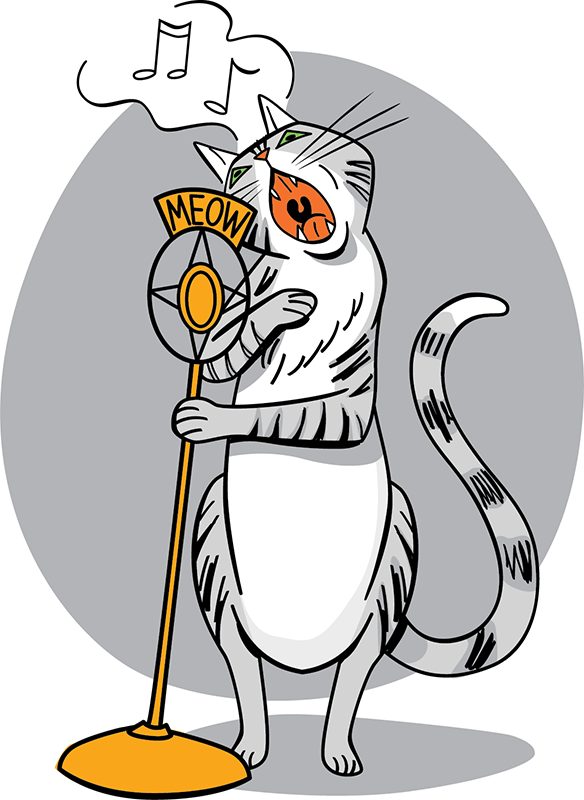
So much to say!
Excessive vocalizing = a vet visit. Take video of their meowing. Your vet may notice physical signs of discomfort or confused or anxious looks. Make note of any other changes to your cat's normal behavior.
Your veterinarian will consider things like dementia, anxiety, pain, and hearing or vision loss.
If there's no medical cause to resolve, there are still ways you can help your cat relax and save your sanity.
What need are they trying to meet by vocalizing? Hunger, having trouble finding you due to cognitive challenges, unable to hear you due to hearing loss, wanting attention, etc.? If you can identify the need, you can make sure you're meeting it.
Don't meet that need while they're actively vocalizing. It teaches them that vocalizing works, which can make it worse. Instead, try to neutrally interrupt them with something like lightly tossing a small pillow (not at them), gently shaking a jar of dry beans, picking them up, and setting them right back down. This neutral interruption stops the vocalizing momentarily. Now, it's time to meet that need. And do your best to pre-emptively meet the need throughout the day so your cat isn't as likely to get vocal in the first place.
Found this useful?
Found this
useful?


