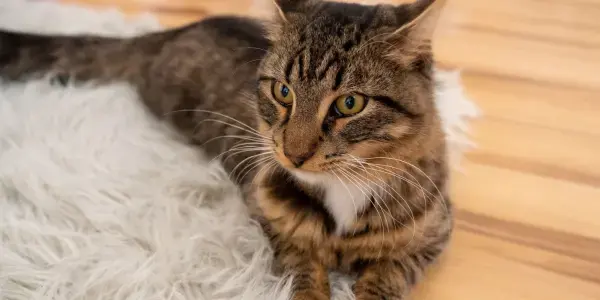
Senior Cat Comfort & Care
Thyroid issues
A common disease that affects older cats is hyperthyroidism. More than 10% of senior cats will develop this endocrine disorder.
The thyroid gland is located in a cat’s neck. When the gland becomes enlarged, most often caused by a benign adenoma (non-cancerous) or rarely an adenocarcinoma (malignant tumor), it increases the production of thyroid hormones. The cause is unknown. It’s thought that environmental factors like thyroid disruptor chemicals or goitrogens in the water can play a role, as well as excesses or deficiencies of particular compounds in the diet.
Nearly every organ in the body is affected by thyroid hormones. That’s why thyroid disease can cause secondary problems, like high blood pressure, heart disease, and damage to the kidneys, eyes, and brain.
The good news is that there are several treatment options. They include medication, radioactive iodine therapy, surgery, and dietary therapy. Any secondary problems require treatment as well.
With appropriate therapy and the management of secondary problems, the prognosis is good.
Found this useful?
Found this
useful?